
Expert installation by Cambridgeshire's leading renewable heating specialists
Upgrade your home’s heating with an air source heat pump system, carefully planned and installed to suit your property. Our MCS-certified engineers have completed hundreds of successful projects across Cambridgeshire.
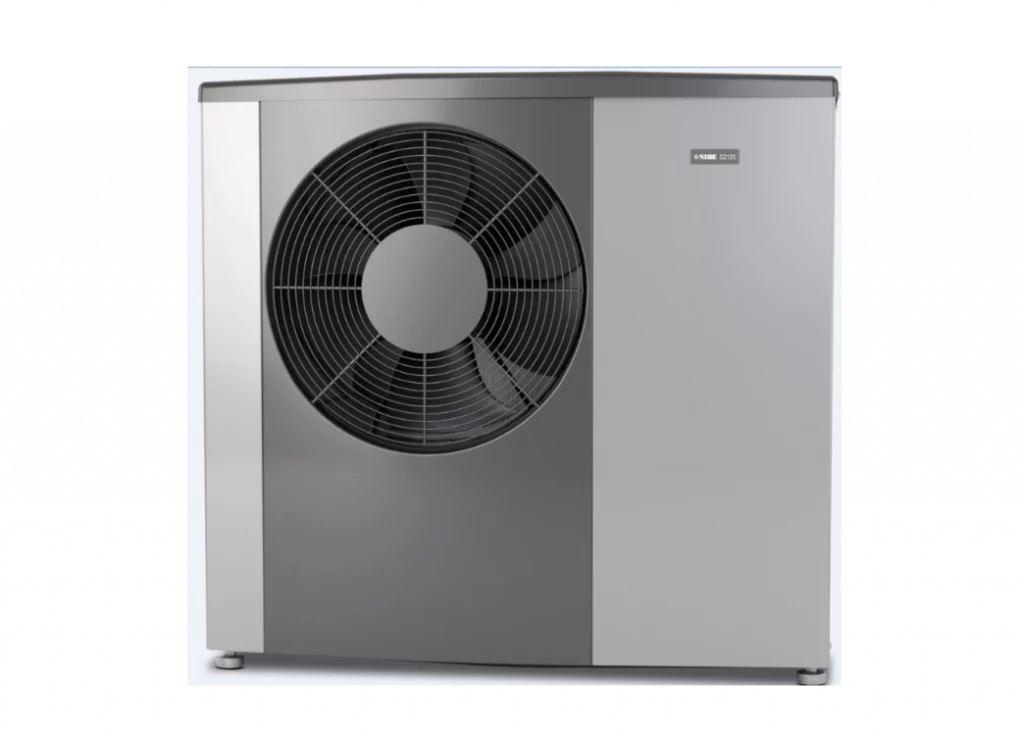
Why Choose an Air Source Heat Pump?
✓ Cut your energy bills by up to 50%
✓ Access £7,500 government funding
✓ Consistent heating and hot water year-round
✓ Significantly reduce your carbon footprint

Full system design and installation



Installation warranty
Quick Information Panel
Available Funding
- £7,500 Boiler Upgrade Grant
- Potential ECO4 funding available
- 0% VAT on installations
- Finance options available
Installation Timeline
- Technical survey: 1-2 hours
- Installation design: 2-3 days
- System installation: 5-10 days
- Final commissioning: 1 day
Areas We Cover
- Cambridge
- Peterborough
- Ely
- Huntingdon
- St Neots
- Wisbech
- March
Understanding Air Source Heat Pumps
What is an Air Source Heat Pump?
An air source heat pump is an innovative heating system that captures heat from outdoor air to heat your home and supply hot water. Thanks to clever engineering, it typically produces three times more heat energy than the electricity it uses, making it both eco-friendly and economical to run.
How They Work in British Weather
Contrary to what many think, air source heat pumps are perfectly suited to the UK climate. Our specially chosen systems:
- Function efficiently even at -20°C
- Maintain steady heating throughout the year
- Automatically adjust to temperature changes
- Supply dependable hot water around the clock
Understanding Air Source Heat Pumps
| Benefit | What You Get |
|---|---|
| Energy Cost Savings |
|
| Environmental Benefits |
|
| Property Benefits |
|
| Practical Advantages |
|
Property Suitability Guide
Ideal For:
✓ Modern homes with sound insulation
✓ Properties being renovated
✓ Homes currently using LPG, oil, or electric heating
✓ New build projects
✓ Properties with outdoor space
Considerations:
✓ Property insulation levels
✓ Current heating system type
✓ Outside space availability
✓ Hot water requirements
✓ Existing radiator systems
Our Installation Process
Step 1: Initial Survey
Our expert surveyor visits your property to:
- Assess your current heating system
- Check property insulation levels
- Measure space requirements
- Discuss your heating needs
- Identify potential unit locations
- Answer your initial questions
Step 2: Technical Assessment
Our technical team analyses your property data to determine:
- Heat loss calculations
- Required system size
- Radiator compatibility
- Hot water requirements
- Potential efficiency improvements
- Grant eligibility
Step 3: System Design
We create your custom installation plan including:
- Heat pump unit specification
- Optimal system location
- Full parts schedule
- Integration with existing systems
- Control system design
- Performance projections
Step 4: Installation Timeline
Professional installation by our expert team:
- Step 1: External unit mounting and preparation
- Step 2: Internal system integration
- Step 3: Controls and connection completion
- Installation time will vary from simple to complex installations
Step 5: System Commissioning
Thorough testing and setup including:
- Full system pressure testing
- Performance optimization
- Temperature calibration
- Control system programming
- Safety checks
- MCS certification completion
Step 6: Handover and Training
Comprehensive system handover including:
- Full operation training
- Control system demonstration
- Maintenance guidelines
- Warranty documentation
- Energy monitoring setup (Where included)
- Emergency contact details
Post-Installation Support
Installation Support
- Emergency assistance
- Check-in calls
- First annual service included
- Optional maintenance packages
- Performance monitoring (Where included)
Costs & Funding Guide
System Costs Explained
Typical air source heat pump installations range between £8,000 and £14,000. This covers:
- Heat pump equipment: £4,500 – £6,000
- Professional installation: £1,500 – £2,500
- Hot water cylinder & components: £1,200 – £2,000
- Smart controls: £800 – £1,500
- Testing & commissioning: Included
- System design & handover: Included
Available Grants
Boiler Upgrade Scheme
- £7,500 funding available
- Grant, not a loan
- Application managed for you
- Fast approval times
- Applied directly to your invoice
Additional Support
- ECO4 funding for qualifying homes
- Zero VAT on all installations
- Council grants may apply
- Multiple funding streams are possible
Cost Comparison Example
Annual Running Costs
| Heating System | Annual Cost | Comparison |
|---|---|---|
| Air Source Heat Pump | £900 | |
| Gas Boiler | £1,500 | +£600 |
| Oil Boiler | £2,200 | +£1300 |
| Electric Heating | £2,400 | +£1500 |
Is Your Property Suitable for a Heat Pump?
The heat pump unit will need roughly one square metre outside, usually along an exterior wall. Indoors, a hot water cylinder requires space—typically in an existing airing cupboard or utility area. The vast majority of homes already have suitable spots. Our assessment pinpoints the ideal placement for your system.
Sound insulation makes all the difference to your heat pump’s efficiency. Newer properties generally tick all the boxes, while some older homes benefit from upgrades. Essential elements include proper loft insulation, filled cavity walls (where possible), and double-glazed windows. We’ll assess your current setup and advise you on any needed improvements.
The majority of residential installations qualify as permitted development—no planning application is required. That said, conservation areas and listed properties often need extra approvals. Don’t worry about the paperwork—we manage the entire planning process for you.
Heat pumps suit almost any property type, from new builds to Victorian homes (with decent insulation). They make particular financial sense if you burn oil, use LPG, or rely on electric heaters. What matters most? Reasonable insulation and an appropriate outdoor location.
During our property assessment, we’ll spot any upgrades that would boost system performance. This might mean better insulation or larger radiators in some rooms. We’ll give you straightforward advice and can spread improvements over time to suit your budget.
Frequently Asked Questions
How noisy is an air source heat pump?
Today’s heat pumps run at roughly 40-60 decibels when standing a metre away—about as loud as a fridge humming in your kitchen. We position them strategically to reduce noise for you and your neighbours. Honestly, most people are surprised how quiet they actually are.
Will a heat pump warm my home in winter?
Absolutely. The systems we install are designed for UK weather and perform brilliantly down to -20°C. You’ll get consistent heating and hot water throughout the year. The clever bit? They automatically ramp up or down based on outside temperatures and your home’s needs.
How long does installation take?
Depending on complexity, installation typically runs from a few days to two weeks. Some properties need a simple swap-out. Others require more extensive work—new pipework, radiator changes, etc. We’ll give you a realistic timeline after the survey.
What maintenance does a heat pump need?
Annual servicing keeps your heat pump running smoothly for decades. This covers filter checks, cleaning the outdoor unit, fine-tuning settings, checking system pressure, and topping up antifreeze if needed. Look after it properly, and you’ll have 20-30 years of efficient heating—not bad.