Short Summary
Heat pump installation mistakes usually start before the unit is fitted. In this guide, we explain the most common issues, why they matter, and how a proper survey-led design helps you avoid higher running costs, cold rooms, and poor performance.
Introduction
A heat pump installation can work very well, but only when the system is designed around the property. That means looking at heat loss, insulation levels, radiator sizing, flow temperatures, and how the building is actually used.
At Clima Renewables, we take a survey-first approach. Whether you are replacing gas, oil, or LPG, the goal is the same: design a system that delivers steady comfort, sensible running costs, and realistic long-term performance. You can learn more about our approach to heat pump installation and why a proper heat loss survey comes first.
1. Sizing the Heat Pump Using Guesswork
One of the most common heat pump installation mistakes is sizing the system based on floor area or the output of the old boiler. That approach often leads to poor results because a heat pump is not a direct like-for-like swap.
If the unit is too small, the house may struggle to stay warm during colder weather. If it is too large, it can cycle on and off too often, which reduces efficiency and adds wear to the system.
Why it matters: Correct sizing affects comfort, running costs, and reliability.
How a survey fixes it: A room-by-room heat loss survey measures how much heat each part of the property loses. This gives us the data needed to size the system properly rather than relying on assumptions.
2. Keeping Existing Radiators Without Checking Them
Many homeowners are told they can keep all their current radiators without any further assessment. Sometimes that is true, but often it is only partly true.
Traditional boilers usually run at much higher temperatures than heat pumps. A radiator that performs well with a boiler may not give enough heat at lower flow temperatures.

Why it matters: If emitters are undersized, rooms can feel cold even when the system is running properly.
How a survey fixes it: We assess each radiator against the calculated heat loss for the room. If changes are needed, we can recommend larger radiators, fan-assisted emitters, or underfloor heating options as part of the overall heat pump installation design.
3. Running the System at the Wrong Flow Temperature
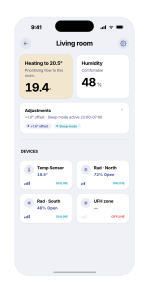
A heat pump works best at lower flow temperatures. If an installer has to increase the temperature to compensate for poor design, the system may still heat the house, but it will do so less efficiently.
This is one reason some homeowners feel disappointed after installation. The unit may be working, but not in the efficient operating range it was designed for.
Why it matters: Higher flow temperatures usually mean lower efficiency and higher electricity use.
How a survey fixes it: A proper design ties together heat loss, emitter sizing, and controls so the system can run at sensible temperatures. This helps protect seasonal performance and keeps expectations realistic from the start.
4. Choosing a Poor Location for the Outdoor Unit
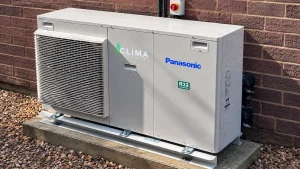
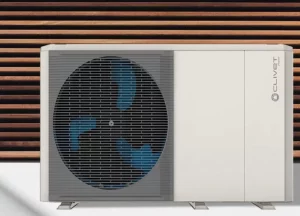
Outdoor unit location is often treated as a simple practical choice, but it affects performance more than many people realise. Restricted airflow, awkward corners, and boxed-in positions can all make the unit work harder.
Noise, access for servicing, and visual impact also need to be considered early on.

Why it matters: Poor placement can reduce efficiency and create avoidable issues for maintenance and day-to-day use.
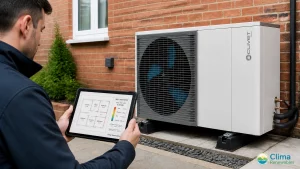
How a survey fixes it: During the property assessment, we look at airflow, pipe runs, access, planning considerations, and how the unit will sit in the space. This helps us choose a location that is practical and technically sound.
5. Ignoring Heat Loss Through the Building Fabric
A heat pump can still work in an older property, but the building fabric matters. Draughts, missing insulation, and problem areas around windows, lofts, or floors all affect how much heat the system needs to deliver.
That does not always mean major renovation work is required. Sometimes a few targeted improvements make a meaningful difference.
Why it matters: The more heat the home loses, the harder the system has to work.
How a survey fixes it: We look at the property as a whole, not just the heating equipment. A thermal imaging survey can help identify where heat is escaping, so decisions are based on evidence rather than guesswork.

6. Expecting Lab Performance in Real Conditions
Published efficiency figures can be useful, but they do not tell the full story. What matters in practice is how the system performs in your property, with your insulation levels, your emitter setup, and your daily heating pattern.
This is why we focus on realistic performance rather than headline numbers.
Why it matters: A system can look good on paper but still underperform if the design is not matched to the building.
How a survey fixes it: Because Clima Renewables is independent, we recommend systems based on the property data rather than a manufacturer target. We also work across Northamptonshire, Cambridgeshire, and Bedfordshire, so local housing types and common upgrade challenges are built into the conversation.
7. Missing BUS Grant Requirements
The Boiler Upgrade Scheme can make a heat pump installation more affordable, but timing and eligibility matter. Homeowners sometimes start the process without checking EPC details, insulation recommendations, or whether the property setup is ready.
For households moving away from oil or LPG heating, this step is especially important because grant support and upgrade pathways need to be looked at together.
Why it matters: Missing a requirement can delay the project or reduce the support available.
How a survey fixes it: We check the property details, explain what is required, and help you understand whether the home is ready now or needs a few improvements first. You can also read more about the BUS Grant before making a decision.
Why a Design Survey Matters Before Installation
A heat pump installation should start with evidence, not assumptions. The survey stage brings together heat loss calculations, emitter checks, insulation review, unit placement, and grant readiness.
That gives you a clearer answer to three simple questions:
- Will the system heat the property properly?
- Will it run efficiently at sensible temperatures?
- Is the home ready for the installation and any available grant support?
When those questions are answered early, the project becomes much simpler and much more predictable.
FAQ
Can I replace my boiler with a heat pump without changing anything else?
Sometimes, but not always. The only reliable way to know is to carry out a proper survey and check heat loss, radiators, controls, and insulation levels.
Do all homes need new radiators for a heat pump?
No. Some existing radiators are suitable, while others may need upgrading. It depends on the room heat loss and the intended flow temperature.
Is a heat loss survey really necessary?
Yes. Without it, sizing and design decisions are often based on guesswork. A survey helps avoid comfort and efficiency problems later.
Can I get a BUS Grant if I am replacing oil or LPG?
In many cases, yes, but eligibility depends on the property and EPC position. We can explain the process and help you understand what is needed.
Conclusion
Most heat pump installation problems are design problems. If the survey is done properly, many of the common issues can be identified before the installation begins.
That is why we always recommend starting with the property data first. It gives you a clearer plan, more realistic expectations, and a better chance of getting a system that feels comfortable and efficient over the long term.
CTA
Book your heat loss survey to check if your home is suitable for a heat pump, or contact Clima Renewables if you would like practical advice on upgrading from gas, oil, or LPG.